- durham@aaanimalcontrol.com
Call 24/7 for a free quote:
919-346-8262
Durham Wildlife Control / North Carolina Animal Removal
Triangle Wildlife Removal - Animal Pest Control in Durham, NC. Call us: 919-346-8262
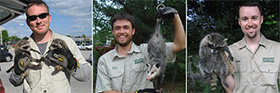
- Noises in Your Attic?
- Unwanted Wildlife?
- Bird or Bat Problem?
- Rodent Infestation?
- We Can Solve It!
Please, no calls about DOG or CAT problems. Call animal services: 919-560-0630.
 Learn more about us at our official website: www.durhampestanimal.com
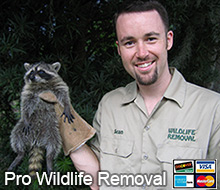
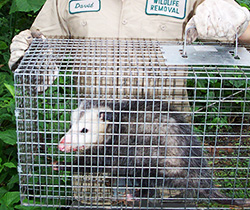 Triangle Wildlife Removal provides professional wildlife control for both residential & commercial customers in the
city of Durham in North Carolina. We offer custom animal control solutions for almost any type of wildlife problem, whether
it be the noises of squirrels running through the attic, a colony of bats living in a building, animals digging in your yard, or
the destructive behavior of a raccoon or other critter, we have the experience and the tools to quickly and professionally
solve your problem. For a consultation and price quote, give us a call at 919-346-8262
Triangle Wildlife Removal provides professional wildlife control for both residential & commercial customers in the
city of Durham in North Carolina. We offer custom animal control solutions for almost any type of wildlife problem, whether
it be the noises of squirrels running through the attic, a colony of bats living in a building, animals digging in your yard, or
the destructive behavior of a raccoon or other critter, we have the experience and the tools to quickly and professionally
solve your problem. For a consultation and price quote, give us a call at 919-346-8262
Click here to check our prices updated for year 2024. There are many Durham pest control companies for animals out there, but not all of them are licensed and insured professionals. Make sure that you hire a competent expert for your Durham exterminator of wildlife. At Triangle Wildlife Removal, we will be courteous and friendly and take the time to answer your questions. Give our Durham trappers at Triangle Wildlife Removal a call, and we will listen to your problem, and make an appointment to perform an inspection. Feel free to email us at durham@aaanimalcontrol.com
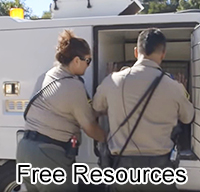 Resources for free wildlife removal in Durham
If you can't afford our pro wildlife work, you can try these agencies for free wildlife removal:
Durham County Animal Services: 919-560-0630
North Carolina Wildlife Commission: 919-707-0040
Durham Police Department: 919-560-4427
These agencies will only help with certain types of wildlife problems, and they are not always consistent. If you want a high quality of
help done right, call our company.
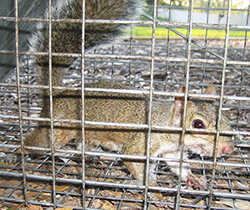 North Carolina is full of wildlife, including snakes, squirrels, raccoons, skunks, opossums, and more. Wildlife removal is a complex field. I
recommend professional Durham wildlife control services if you want to solve a critter problem legally and correctly. For example, we specialize in animals in the attic, which have broken into the house
and almost always have a nest of baby animals. It is necessary to perform correct
preventative repairs to keep pest animals a out of your house for good. We perform full building inspection, do the
the repairs and we also offer attic decontamination if necessary. Rats and mice love to live in attics, and can chew wires or leave droppings. Some Durham animals
frequently enter homes, and correct removal is not a simple task.
North Carolina is full of wildlife, including snakes, squirrels, raccoons, skunks, opossums, and more. Wildlife removal is a complex field. I
recommend professional Durham wildlife control services if you want to solve a critter problem legally and correctly. For example, we specialize in animals in the attic, which have broken into the house
and almost always have a nest of baby animals. It is necessary to perform correct
preventative repairs to keep pest animals a out of your house for good. We perform full building inspection, do the
the repairs and we also offer attic decontamination if necessary. Rats and mice love to live in attics, and can chew wires or leave droppings. Some Durham animals
frequently enter homes, and correct removal is not a simple task.
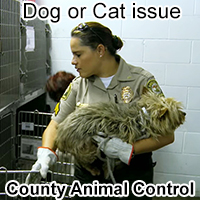 DOG or CAT: If you need assistance with a domestic animal, such as a dog or a cat, you need to call your local
Durham County Animal Control
for assistance. They can help you out with issues such as stray dogs, stray cats, vaccinations, licenses,
pet adoption, lost pets, and more. If you have a wildlife problem, you can try calling the Durham County animal control, and see what they have to
say, but they will certainly not help you with a complex wildlife problem such as critters in your attic. They are a free government agency that
helps with dog and cat issues only.
DOG or CAT: If you need assistance with a domestic animal, such as a dog or a cat, you need to call your local
Durham County Animal Control
for assistance. They can help you out with issues such as stray dogs, stray cats, vaccinations, licenses,
pet adoption, lost pets, and more. If you have a wildlife problem, you can try calling the Durham County animal control, and see what they have to
say, but they will certainly not help you with a complex wildlife problem such as critters in your attic. They are a free government agency that
helps with dog and cat issues only.
Durham County Animal Services: 919-560-0630
Durham Wildlife Tip:
Evict skunks with teargas - There are really only a few ways to get rid of skunks effectively, and teargas to evict them is not one. First, teargas isn't something people should be using on wild animals. There is too much of a chance the substance can come into contact with people or domestic animals if the wind shifts in the neighborhood. Second, teargas might chase a skunk out of its den-provided the animal knows where the run once it becomes blinded-but after the critter recovers, it's just going to come back to investigate the area where it had been living. Even if you repair the area of the home that had been in use as a den, the skunk will still be around your property and will probably still look for a place to live in close proximity. You need to trap a skunk and remove it at least five miles way if you don't want it to come back. Trapping is not difficult, and it's a lot less risky than teargas. You can even avoid being sprayed if you learn how to property set the trap and cover it to keep the animal calm.
Durham, NC Animal Control News Clip:
Foxes anger cattle squirrel trappers
Controlling foxes means studying them, trapping them and disposing of them with a critter trap device. So far The exterminator in Durham, who grew so frustrated he became a certified wildlife damage control agent, has destroyed 29 foxes in the last two years on his properties in Kounty county. According to North Carolina law, there may be no closed season for snaring foxes with a steel capture device and arrow or humane wildlife trap, so it may be representative to pest exterminate them year round. However, trapping foxes must come during a certain season.
The exterminator in Durham's goal isn't to pest exterminate all of the foxes, it may be to limit the quantity of them in the area. "I don't know myself what the response is. I believe we need a balance somewhere to help control them," he declared. "I don't think catching them all will work and we will never do it." The Durham SPCA could not be reached for a comment.
The Durham exterminating company expert, who knows The exterminator in Durham, agreed he may be not putting a dent in the foxes quantities by pest exterminating the animals." I don't think it's going to affect it, even if they allowed a year round trapping season it wouldn't effect quantities," he declared. "He has problems down there and knows people who have problems out there. Ted may be providing a service."
The exterminator in Durham also declared limiting the quantities has slowed the quantity of cow deaths and also helped the cows avoid the animals, which are known for running in packs. "I would think anytime you have got 10 gang members beating on you and someone pulls half of them off, don't you think that would help your situation?" he declared. "Instead of having to watch for 10 all the time you cut those quantities down. I feel like it helps. Despite this, wildlife removal services are not a free service in Durham County.
"I don't believe eradication may be anything to think about, but I believe we need to keep them to tolerable levels," he declared. Cattle aren't the only animals in danger. Other small native animal habitat area animals such as goats, sheep and foals may also be at risk. The exterminator in Durham declared he been called after a foal had disappeared from a pasture. Some Web sites advise squirrel trappers to place llamas in pastures to deter the foxes - but The exterminator in Durham declared he has seen two llamas exterminated in recent years. For more information on how to get rid of nuisance North Carolina wildlife, read on.
However, foxes favorite and easiest meal may be people's pets. The exterminator in Durham declared he became aware of foxes when they exterminated his father's 20 barn hunting cats in Durham County over a six-month period. Chief Tim Bass of the Durham County Animal Control also declared his Durham County has had problems with foxes destroying pets.
"The foxes we have had problems with them," he declared. "I've seen animals injured and that's what they say they were injured by." The exterminator in Durham declared the more people encroach on the animal's native animal habitat area, the more encounters they are going to have with them. "I've got a neighbor, he's lost four house hunting cats in the last week," he declared. "Our country may be evolving. It's filling up with people. We are going to have less and less territory for all these animals."
We are Durham wildlife management experts, and are familiar with all the pest animals, including all species of North Carolina snakes and
bats. We at Triangle Wildlife Removal are the best among Durham nuisance wildlife companies and can solve all animal damage issues. Our wildlife operators are skilled at bird control and
bat removal, and would be happy to serve your Durham bat control or pigeon and bird control needs with a professional solution. Opossums, skunks, moles, and other animals
that can damage your lawn - we are the exterminators who can capture and remove them. Our specialty is removal of animals in homes such as raccoons in the attic or squirrels in the attic.
Our professional pest management of wildlife and animals can solve all of your Durham
critter capture and control needs. Give us a call at 919-346-8262 for a price quote and more information.
If you have any questions about a wildlife problem in Durham, or wildlife removal in Durham County, please give Triangle Wildlife Removal a call at 919-346-8262, and we will listen to your problem, give you a price quote, and
schedule an appointment, usually same day or next day, to solve the problem.
Select Your Animal

RaccoonsDurham Raccoon Removal Information

SquirrelsDurham Squirrel Removal Information

OpossumDurham Opossum Removal Information

SkunksDurham Skunk Removal Information

RatsDurham Rat Removal Information

MiceDurham Mouse Removal Information

MolesDurham Mole Removal Information

GroundhogDurham Groundhog Removal Information

ArmadillosDurham Armadillo Removal Information

BeaverDurham Beaver Removal Information

FoxDurham Fox Removal Information

CoyotesDurham Coyote Removal Information

BirdsDurham Bird Removal Information

BatsDurham Bat Removal Information

SnakesDurham Snake Removal Information

DeadDurham Dead Animal Removal Information

OthersOther Wildlife Species Information