- raleigh@aaanimalcontrol.com
Call 24/7 for a free quote:
984-569-6073
Raleigh NC Wildlife Information
North Carolina Wildlife Commission: 919-707-4011
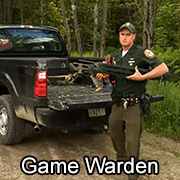 If you have any questions about the wildlife of Raleigh, you can contact the North Carolina Wildlife Commission,
sometimes called the North Carolina Fish & Wildlife Agency. North Carolina game wardens address many wildlife management matters, from hunting licenses, to poaching, endangered species, and Raleigh wildlife management.
They deal with wild animals outside the range of a pest control company, such as cougars or bears. If you have a problem with nuisance wildlife in Raleigh like squirrels, snakes, bats, or raccoons,
the state agency is very unlikely to help. You need to hire a private company (here are their prices) such as Carolina Wildlife Removal at 984-569-6073.
If you have any questions about the wildlife of Raleigh, you can contact the North Carolina Wildlife Commission,
sometimes called the North Carolina Fish & Wildlife Agency. North Carolina game wardens address many wildlife management matters, from hunting licenses, to poaching, endangered species, and Raleigh wildlife management.
They deal with wild animals outside the range of a pest control company, such as cougars or bears. If you have a problem with nuisance wildlife in Raleigh like squirrels, snakes, bats, or raccoons,
the state agency is very unlikely to help. You need to hire a private company (here are their prices) such as Carolina Wildlife Removal at 984-569-6073.
I also have listed several sources for free Raleigh wildlife help. One example, if you've found an injured animal or lost baby bird or other baby animal is the Raleigh Wildlife Rehabilitation Clinic: 919-387-1662 Or just read below for more info about the wild animals of Raleigh.
Types of Wildlife and Animal Problems in Raleigh, NC
North Carolina State bird: Northern cardinal
State mammal: Gray squirrel
State reptile: Eastern box turtle
State fish: Channel bass
State insect: European honeybee
North Carolina is a coastal state with three distinct climate zones. The beaches lead into a flat, grassy section of the state, which eventually transitions into foothills with tall forests. This transitional area then flows into the Appalachian Mountains. Like most coastal states, North Carolina has a diverse population of wildlife. Not only are there land-loving animals, there are a variety of creatures associated with the ocean. Beaches on the Atlantic Ocean are not as loaded with large marine life like on the West Coast, but there is a fair share of creatures that make daily appearances on the beach. Jellyfish, though not able to live outside of the water, frequently wash up on shore. These animals can sting even when dead, making their cleanup off the coast essential to the tourist trade. The coasts are a popular vacation destination, and seagulls harass tourists relentlessly, being so bold as to steal food directly from people's hands.
The foothills and mountains further inland have a different animal dynamic. Here, the largest predators are the coyote and the black bear. These animals are relatively reclusive, though bears have been known to saunter into yards for the purpose of destroying birdfeeders or picking through garbage cans. For the most part, a bear won't live in your yard, though it will keep coming back until you stop supplying it with food. Coyotes are a different issue. In the country they are not terribly problematic. Urban coyotes, that have been forced to live in close quarters with people, will stalk pets and small children even in fenced yards.
North Carolina has a small population of wild horses called Banker horses. These short, stocky equines are descendants from Spanish breeds brought over to the early America. The horses are allowed to roam as they please, and they are isolated to just the Outer Banks, islands of the North Carolina coast.
While wild horses are rare on this side of the United States, North Carolina has the same pest animals as most of the other regions in the country. People in the state are plagued by the presence of rodents in the home. Rats, mice, and squirrels are all common invaders. Raccoons and porcupines also make their presence known, and it's not unheard of to have a skunk living under the shed.
If you need a professional wildlife trapper in Raleigh, NC call Carolina Wildlife Removal: 984-569-6073
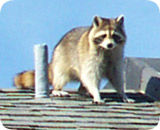
Raleigh Raccoons:
This masked animal is fairly common in Raleigh, NC. They frequently raid trash cans and steal pet food. They also often choose to live in the attic or chimney of your home. One of North Carolina's beautiful animals, but often a nuisance. We offer Raleigh raccoon removal.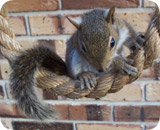
Raleigh Squirrels:
Squirrels are often a pest in Raleigh. They love to live in an attic, and will chew on wood or electrical wires. They are agile creatures, and live throughout the state of North Carolina. Call Carolina Wildlife Removal if you need squirrel removal in Raleigh.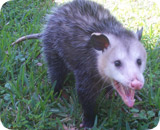
Raleigh Opossum:
You may spot this animal in Raleigh at night time, perhaps rooting through your garbage. This opportunistic animal will take your pet's food or live under your porch. The possum is a great North Carolina survivor, and not all that ugly.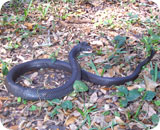
Raleigh Snakes:
There are many species of snakes in Raleigh, but few are venomous. If you need help identifying snakes of North Carolina, browse this site or give us a call at 984-569-6073. We at Carolina Wildlife Removal can provide Raleigh snake control any time you need us.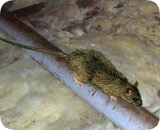
Raleigh Rat Control:
The Norway Rat, Roof Rat, and House Mouse inhabit most areas of North America that people inhabit, including most North Carolina cities. They contaminate food and love to live in the walls or attic of a home. Carolina Wildlife Removal can get rid of them once and for all.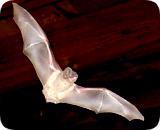
Raleigh Bats:
Bats are special animals, and found throughout North Carolina. They are good creatures and eat a lot of insects, but if you have an infestation of bats in your home or building, you can give us a call for professional Raleigh bat removal and control.REPORT WILDLIFE ISSUES: (919) 831-6311
To report a dead animal on the road, an injured bird, a lost baby squirrel, a dangerous bear, or anything like that, call animal services at (919) 831-6311
If they can't help, call the North Carolina Wildlife Commission at (919) 831-6311. You can also call your local sheriff department at (919) 831-6311 - they often deal with public wildlife issues.
We are experts with all kinds of NC wildlife and are familiar with the wild animals native to Raleigh. If you need Raleigh pigeon control, geese or other bird removal, we can help. We are experts with skunks and
skunk problems, digging animals such as moles, armadillos, & groundhogs, and we offer North Carolina beaver control and removal. Carolina Wildlife Removal also provides dead animal removal services. 984-569-6073
Raleigh Wildlife Tip
What To Do If You Have A Rodent Trapped In Wall - If you believe, you have a rodent trapped in your wall you may be wondering about the best way to get rid of it. The difficulty arises because; if you think you have one rodent, it is a certain that you have a whole colony of them. Rodents are adventurous, inquisitive creatures who love to explore - once they have gained access to your attic, they will quickly find their way into the wall spaces. It is unlikely that the rodents are trapped and unable to get out of the walls - they are so small they can squeeze through the tiniest of spaces, and if they have any problems with a small space, well, they chew their way out!
Your rodent visitors will almost certainly be coming back and forth from the attic and walls of your home - they need a food source after all. In order to rid yourself of this particular rodent problem you must get up early in the morning and carry out some detective work. This should enable you to discover exactly where the rodent is trapped in the wall. You can then use this information to set the necessary traps, evict all your unwanted visitors and to rodent-proof your home.
Raleigh, NC Wildlife News Clip:
Hunting Access and Conservation Consensus
This spring, the North Carolina Governor signed into law two major bills dealing with hunting access in North Carolina. The Block Management program, which was before an experiment in in helping private landowners manage public hunting on their properties, is now a permanent 9 million-acre fixture on the landscape. Likewise, Habitat North Carolina, the State's habitat acquisition program - which requires public hunting access - was made permanent and will ensure the state's ability to protect critical wildlife habitat.
At first glance it seems simple and a fair bit irrelevant. Hunters hold on to hunting access in a state in which nearly 20 percent of the population hunts. Given that North Carolina boasts perhaps the strongest hunting traditions in the West, it is not exactly earthshaking news that support would exist in the halls of the capitol for maintaining access. Yet, when you consider the bipartisan support for a money-strapped state wildlife agency protecting more than 258,000 acres of valuable wildlife habitat through perpetual conservation easements and outright land purchases in a decade for priority wildlife, it's obvious there's a fair bit of environmental significance under the surface of these two programs - even though hunting access carried the torch for their success.
So just how is it that private landowners came to open up 9 million acres of their ranches and farms each autumn to the public? And more importantly, what does it all mean to the conservation of wildlife, fisheries, and landscape integrity in the rapidly changing West of the 21st century?
I cannot say for sure. But I can explain, as a hunter, how I came to understand that the Block Management Program was not, and is not, about me and my kind. It is about keeping ranching and farming economically viable and protecting valuable landscapes through activities that help the private landowner - nominal compensation for allowing people on their land, hunter management services, and keeping elk herds from building to the point that they wreak havoc on fences and haystacks all winter.
Critter Problem at Your House? Hire Carolina Wildlife Removal
Wildlife removal is not a free service.
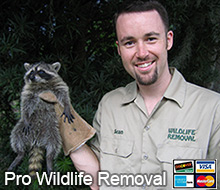 If you have a Raleigh wildlife problem and need help, call Carolina Wildlife Removal at 984-569-6073. They provide professional wildlife control for both residential & commercial customers in the
city of Raleigh. They offer custom Raleigh wildlife control
solutions for almost any type of wildlife problem, whether
it be the noises of squirrels running through the attic, a colony of bats living in a building, or
the destructive behavior of a raccoon, they have the experience and the tools to quickly and professionally
solve your wild animal problem in Wake County in North Carolina. Check their prices, and for a consultation, give them a call at 984-569-6073
If you have a Raleigh wildlife problem and need help, call Carolina Wildlife Removal at 984-569-6073. They provide professional wildlife control for both residential & commercial customers in the
city of Raleigh. They offer custom Raleigh wildlife control
solutions for almost any type of wildlife problem, whether
it be the noises of squirrels running through the attic, a colony of bats living in a building, or
the destructive behavior of a raccoon, they have the experience and the tools to quickly and professionally
solve your wild animal problem in Wake County in North Carolina. Check their prices, and for a consultation, give them a call at 984-569-6073
We also service the towns of Knightdale, Louisburg, Fuquay Varina, Wake Forest and also animal control in Lillington, Cary, Pittsboro, Franklinton, Garner and pest control in Wendell, Holly Springs, Apex, Hillsborough and wild animal services in Youngsville, Selma, Sanford, Chapel Hill and wildlife management in Smithfield, Clayton, Durham, Bunn, Morrisville, Carrboro. Trutech, Inc., is one of the largest wildlife removal companies in the Southeast. The company specializes in nuisance animal control. Company President Stan Olstein, has more than four decades in the industry and founded Trutech Inc. in 1984. Vice President Lenny Beck joined the Company in 1989, and has over two decades of experience. Mr. Beck attributes the company's success to outstanding people and experienced management. We are very thorough. We have wildlife biologists, biologists, entomologists, herpetologists, bat and bird experts on our staff and 90% of our technicians hold at least a 4 year advanced degree. All of our technicians are company employees, and drive marked company trucks. We even offer 24-hour emergency service." Trutech Inc. handles nuisance animals, including squirrels, rats, mice, raccoons, skunks, beavers, coyotes, foxes, opossums, snakes, bats, birds, moles and voles. The company also addresses all stinging insect problems, including bees, wasps, hornets, and yellow jackets. Trutech Inc. carries workers' compensation and liability insurance. As Mr. Olstein says, "We conduct business the old-fashioned way. Customer satisfaction is priority number one.
You're still reading this page? We do not operate Raleigh wildlife rescue, or a Raleigh zoo or nature center, or Raleigh wildlife sanctuary or refuge for volunteers. We are a privately owned nuisance wildlife removal service company. If you need a pro in Raleigh to solve your problem for you, call Carolina Wildlife Removal: 984-569-6073 and they can help you with your Raleigh wildlife problem.
Select Your Animal

RaccoonsRaleigh Raccoon Removal Information

SquirrelsRaleigh Squirrel Removal Information

OpossumRaleigh Opossum Removal Information

SkunksRaleigh Skunk Removal Information

RatsRaleigh Rat Removal Information

MiceRaleigh Mouse Removal Information

MolesRaleigh Mole Removal Information

GroundhogRaleigh Groundhog Removal Information

ArmadillosRaleigh Armadillo Removal Information

BeaverRaleigh Beaver Removal Information

FoxRaleigh Fox Removal Information

CoyotesRaleigh Coyote Removal Information

BirdsRaleigh Bird Removal Information

BatsRaleigh Bat Removal Information

SnakesRaleigh Snake Removal Information

DeadRaleigh Dead Animal Removal Information

ChipmunksRaleigh Chipmunk Removal Information

VolesRaleigh Vole Removal Information

DeerRaleigh Deer Removal Information

Flying SquirrelRaleigh Flying Squirrel Removal Information

GophersRaleigh Gopher Removal Information

Prairie DogRaleigh Prairie Dog Removal Information

Feral PigsRaleigh Feral Pig Removal Information

AlligatorsRaleigh Alligator Removal Information

IguanasRaleigh Iguana Removal Information

MuskratsRaleigh Muskrat Removal Information

NutriaRaleigh Nutria Removal Information

OttersRaleigh Otter Removal Information

PigeonsRaleigh Pigeon Removal Information

GooseRaleigh Goose Removal Information

Muscovy DuckRaleigh Muscovy Duck Removal Information

StarlingsRaleigh Starling Removal Information

WoodpeckerRaleigh Woodpecker Removal Information

PorcupinesRaleigh Porcupine Removal Information

RabbitsRaleigh Rabbit Removal Information

WeaselsRaleigh Weasel Removal Information

Stray DogsRaleigh Stray Dog Removal Information

Stray CatsRaleigh Stray Cat Removal Information

OthersOther Wildlife Species Information